Why Laser Dentistry Often Means Faster Healing Times
Dental lasers are one of those tools patients may have heard about but not fully understand until they see how they are used. It sounds high-tech, and in some ways it is, but the point is simple: treat the area that needs help without stirring up more tissue than necessary. In dentistry, that can be especially helpful during gum care and certain soft tissue treatments, where even a small amount of irritation can affect how the area feels afterward.
Because a laser can stay focused on the tissue being treated, it may disturb less of the surrounding area. It can also help seal tiny blood vessels as it works, which may mean less bleeding during the visit and less swelling during recovery. As a result, the mouth may have less to calm down afterward.
At Serenity Dental Studio in Frisco, TX, Dr. Rita Kengskool uses laser dentistry when it fits the patient’s needs and the type of treatment being performed. It is not used for every procedure, but when it is the right tool, laser dentistry can make the appointment feel more controlled and the recovery a little easier to get through.
What Laser Dentistry Actually Does
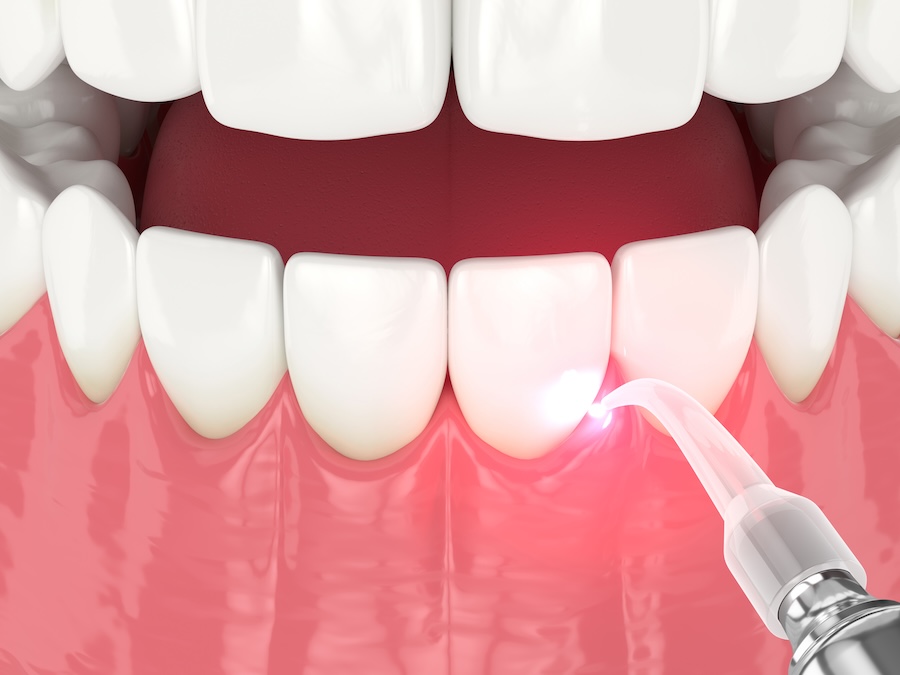
Laser dentistry uses concentrated light energy to treat areas of the mouth with accuracy. At Serenity Dental Studio, soft-tissue lasers may be used to help treat chronic gingivitis, clear out periodontal pockets, reduce excess bacteria, and support periodontal healing. They may also be used for certain soft tissue concerns such as ulcers or cold sores, and in some cases, to help with TMJ-related jaw pain or soreness.
In many cases, lasers are helpful because they can treat a very specific area without bothering as much of the tissue around it. If only a small section needs care, the laser can often stay focused on that area rather than disturbing more tissue than necessary.
Another patient-friendly benefit is the sound. Dental lasers are ultra-quiet compared to a traditional drill, which can make a noticeable difference for patients who feel tense around dental sounds. Depending on the procedure, local anesthetic may not always be needed, although Dr. Kengskool will recommend numbing or other comfort measures when they are appropriate.
Laser dentistry is still a clinical tool, not something used just because it sounds advanced. Dr. Kengskool will evaluate your teeth, gums, symptoms, and treatment goals before deciding whether a laser belongs in your treatment plan.
Why Healing Can Feel Easier After Laser Treatment
Healing depends on several things, including the type of procedure, gum health, infection, inflammation, medical history, and home care. Still, laser dentistry may support faster healing for certain treatments because it can reduce tissue trauma.
When gum tissue is treated with a laser, the laser can remove or reshape targeted tissue while helping seal small blood vessels. That may reduce bleeding during the appointment and limit irritation afterward.
Laser dentistry may also help reduce bacteria in the treatment area. This can be useful during gum therapy, where bacteria below the gumline contribute to inflammation. When there is less irritation left behind, the gums often have a better start.
Patients can still have soreness after laser treatment. However, depending on the procedure, there may be less swelling, fewer stitches, and a shorter stretch of tenderness than with some traditional methods.
Less Bleeding Can Mean an Easier First Day
During many soft tissue procedures, laser dentistry may reduce bleeding because the laser can help seal small blood vessels as it works. This does not mean every laser procedure is completely blood-free, but many gum and soft tissue treatments involve less bleeding than traditional approaches.
For patients who feel uneasy about dental treatment, that can make the visit feel less intense. Less bleeding can also help Dr. Kengskool see the treatment area more clearly, which is useful when gum tissue is being reshaped or inflamed tissue is being removed.
Afterward, less bleeding can make the first day feel a little less messy and easier to manage. Patients still need to follow aftercare instructions, but they may have less oozing, less swelling, and fewer surprises once they get home.
This is one reason soft-tissue lasers can be helpful for gum-related treatment. The laser can work in the area that needs attention while also helping the tissue begin healing with less disruption.
Less Swelling and Tenderness Around the Treated Area
Swelling is part of the body’s normal healing response. However, the amount of swelling often depends on how much tissue was disturbed during treatment.
Because a laser can stay focused on the treatment area, nearby tissue may be less irritated. When the body has less tissue irritation to respond to, recovery may feel more comfortable.
This can be especially helpful with gum procedures. Gum tissue is sensitive, and even a small treated area can feel noticeable while it heals. A more targeted approach may help reduce tenderness after the visit.
Of course, every patient heals differently. Some soreness can still happen. Even so, when treatment is precise and aftercare instructions are followed, recovery is often easier to move through.
How Laser Dentistry Helps With Gum Treatment
Laser dentistry is often used during gum care because gum disease involves bacteria and inflamed tissue below the gumline. Over time, the gums can pull away from the teeth and form deeper pockets where bacteria collect.
During gum treatment, a laser may be used to reduce bacteria and remove inflamed tissue inside those pockets. This helps create a cleaner area for the gums as they heal.
For patients with chronic gingivitis or periodontal pockets, this targeted approach can be useful. The goal is to address bacteria and inflamed tissue in areas that are difficult to clean well at home.
Even with laser treatment, gum disease needs ongoing attention. Brushing, cleaning between teeth, and returning for recommended maintenance visits help prevent bacteria and tartar from building up again.
Soft Tissue Treatment With a More Focused Touch
Dental lasers can also be used for certain soft tissue procedures. This may include reshaping gum tissue, treating excess tissue, addressing small soft tissue lesions, or improving tissue around a tooth or restoration.
Serenity Dental Studio may also use soft-tissue lasers for concerns such as ulcers or cold sores. In certain cases, laser therapy may also be used to help relieve headaches or TMJ-related jaw pain and soreness.
With traditional soft tissue treatment, there may be more cutting, bleeding, or stitches. A laser can often treat the tissue while helping seal the area at the same time.
That can make recovery feel less involved. Depending on the procedure, patients may have fewer stitches, less bleeding, and a shorter period of irritation.
Why Quiet Treatment Can Help Anxious Patients
For some patients, the sound of dental treatment is almost as uncomfortable as the treatment itself. A loud drill can make the body tense before anything even begins. That reaction is common, and it is one reason laser dentistry can feel different for certain procedures.
Dental lasers are ultra-quiet, which can help make the appointment feel calmer for patients who are sensitive to sound. There may also be less pressure and vibration than with traditional tools, depending on what is being treated. It makes it another tool that may help make care more comfortable, especially for patients who feel nervous about dental visits.
What Recovery Looks Like After Laser Dentistry
Recovery after laser dentistry depends on what was treated. After a gum or soft tissue procedure, you may notice mild soreness, tenderness, or warmth in the area. For many patients, these symptoms are manageable and improve within a short time.
Dr. Kengskool may recommend avoiding crunchy, spicy, acidic, or very hot foods for a short period. Softer foods may feel better while the tissue heals.
You may also receive specific cleaning instructions. In some cases, you may need to brush gently around the treated area or avoid certain rinsing habits for a short time.
Even when recovery feels simple, the tissue still needs time to heal. Follow the aftercare instructions from Serenity Dental Studio, and call the office if discomfort gets worse instead of better or if you notice unusual swelling or bleeding.
How to Help Your Mouth Heal at Home
Laser dentistry can give healing a better starting point, but the first few days after treatment are still a good time to keep things gentle in your home care.
Brush carefully, follow any rinsing instructions, and avoid picking at the treated area. If food feels irritating, choose soft, mild options until the tissue feels better.
Drinking water can also help keep the mouth comfortable. A dry mouth may make healing tissue feel more sensitive, so hydration is useful during recovery.
If laser treatment was part of gum therapy, maintenance visits may be recommended. These visits help keep bacteria and tartar under control so the gums can stay healthier over time.
Is Laser Dentistry Right for Every Patient?
Laser dentistry is helpful for many gum and soft tissue treatments, but it is not the answer for every dental concern. Some problems are better treated with traditional methods, and others may require a combined approach.
At Serenity Dental Studio, dental lasers can work well for many patients, including children, when the treatment fits the concern. If Dr. Kengskool believes your smile could benefit from a service that uses a soft-tissue laser, she can discuss it with you before adding it to the treatment plan.
Advanced gum disease, deep decay, broken teeth, or more complex surgical needs may require additional treatment beyond laser care. In some cases, the laser may support part of the treatment rather than replace every step. The goal is to choose the method that gives your mouth the healthiest path forward.
Laser Dentistry in Frisco, TX
Laser dentistry can often support faster healing because it allows for focused treatment, less bleeding, reduced swelling, and less irritation to nearby tissue. For gum care and certain soft tissue procedures, this can make both treatment and recovery easier to handle.
At Serenity Dental Studio in Frisco, TX, Dr. Rita Kengskool uses laser dentistry when it can support patient comfort and oral health. Whether you need gum care, soft tissue treatment, help with chronic gingivitis, or an evaluation to understand your options, the team can help you decide whether laser treatment is a good fit.
If you are interested in laser dentistry in Frisco, schedule a visit with Serenity Dental Studio. Dr. Kengskool can evaluate your needs, explain your options, and help you decide whether laser treatment fits your mouth, your comfort level, and your recovery.
FAQs
Does laser dentistry heal faster than traditional treatment? For many gum and soft tissue procedures, laser dentistry may support faster healing because it can reduce bleeding, swelling, and irritation to surrounding tissue.
Is laser dentistry painful? Many patients find laser dentistry comfortable for certain procedures. Some treatments still require numbing, depending on the area being treated and the patient’s sensitivity.
Can laser dentistry be used for gum disease? Yes. Laser dentistry may be used during gum treatment to reduce bacteria, clear periodontal pockets, treat inflamed tissue, and support periodontal healing.
Can dental lasers help with ulcers or cold sores? Soft-tissue lasers may be used for certain ulcers or cold sores. Dr. Kengskool can evaluate the area and explain whether laser treatment is appropriate.
Will I need stitches after laser dentistry? Some laser soft tissue procedures may reduce or eliminate the need for stitches. It depends on the treatment being performed.
Is laser dentistry right for everyone? Not always. Laser dentistry is useful for many gum and soft tissue treatments, but some dental concerns require traditional treatment or a combined approach.