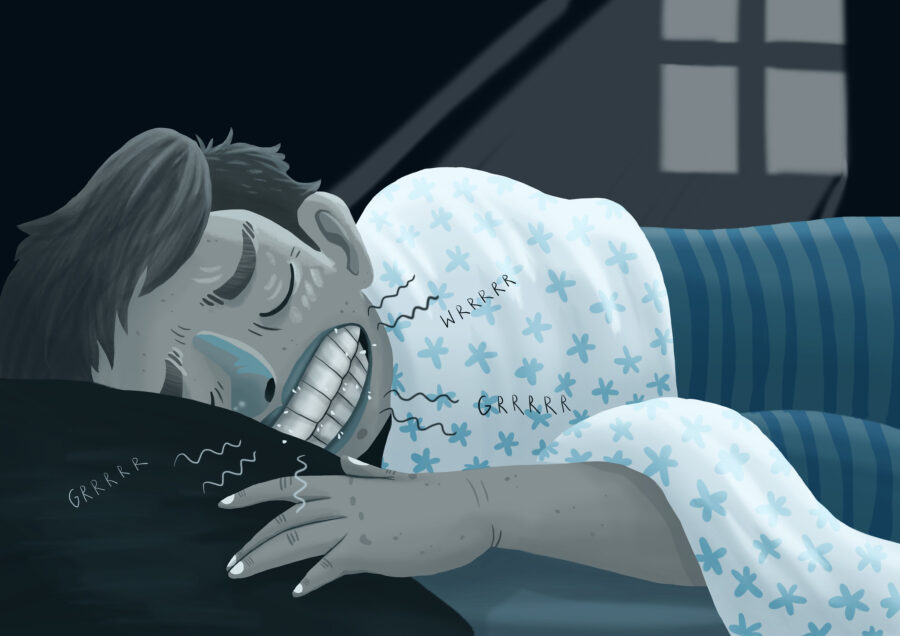
Teeth Grinding at Night: Causes, Symptoms, and Solutions
Many people don’t realize they’re grinding their teeth at night until a partner notices it, a dentist points it out, or symptoms start cropping up. Teeth grinding (also called bruxism) affects people of all ages, and when left unaddressed, it can lead to pain, worn enamel, and even cracked teeth.
At Serenity Dental Studio in Frisco, TX, Dr. Rita Kengskool and our team help patients understand what’s behind their nighttime grinding and what can be done about it. If you’ve been waking up with jaw tightness, headaches, or unexplained dental wear, this guide is for you.
What Is Teeth Grinding?
Teeth grinding is the unconscious clenching or grinding of the upper and lower teeth, usually during sleep. Because it happens quietly at night, many patients aren’t aware of it until symptoms appear. It can range from mild grinding that doesn’t cause noticeable issues to forceful clenching that wears down enamel or injures the jaw.
Grinding often occurs alongside jaw clenching, and both are forms of bruxism — a common condition that can affect oral health and overall comfort.
Common Causes of Nighttime Grinding
Teeth grinding can stem from several factors, and often, it’s a combination rather than a single cause:
Stress and Anxiety: Emotional tension — even if you aren’t consciously aware of it — can show up physically while you sleep.
Sleep Disturbances: Conditions like snoring or sleep apnea can be linked to bruxism.
Bite Misalignment: If your teeth don’t fit together properly, your jaw may try to realign through grinding.
Lifestyle Factors: Caffeine, alcohol, smoking, and certain medications may increase grinding risk.
Age and Development: Children may outgrow grinding, while adults may experience bruxism related to stress or dental changes.
Signs and Symptoms to Watch For
Because grinding happens during sleep, symptoms often show up indirectly. Watch for:
Morning jaw or facial tightness or soreness
Frequent headaches or ear pain
Worn, chipped, or flattened teeth
Increased tooth sensitivity
Sleep partner reports of grinding sounds
If any of these sound familiar, it’s worth discussing with your dentist.
What Happens if Grinding Is Left Untreated?
Even mild bruxism can progress and cause:
Severe enamel wear
Loosened dental work
TMJ pain or jaw dysfunction
Chronic headaches or bite changes
Early diagnosis and intervention help prevent long-term damage.
Solutions for Grinding: What Works
At Serenity Dental Studio, we tailor treatment to your needs. Dr. Kengskool may recommend:
Prevents enamel wear
Reduces muscle tension and jaw pain
Fits comfortably and securely
Reducing caffeine and alcohol
Practicing relaxation before bed
Improving sleep habits and environment
Discussing sleep studies if apnea is suspected
Customized Nightguards
A professionally made nightguard provides a protective cushion between teeth during sleep. It:
Bite Evaluation and Adjustment
If your bite is uneven, we may recommend reshaping or restorative work to balance it and reduce grinding triggers.
Stress and Sleep Management
We may also suggest lifestyle modifications such as:
Restorative Care
If grinding has caused damage, we may recommend crowns, fillings, or other treatments to rebuild and protect affected teeth.
Bruxism Treatment at Serenity Dental Studio in Frisco, TX
Teeth grinding isn’t just a minor annoyance — it’s a condition that can impact your comfort, your teeth, and your quality of sleep. The good news? It’s manageable with the right care.
At Serenity Dental Studio, Dr. Rita Kengskool and our team provide thoughtful, personalized solutions — from nightguards to bite analysis — to help you sleep better and protect your smile. Call our Frisco, TX office today to schedule your evaluation and take the first step toward relief from nighttime grinding and a healthier, more comfortable smile.
Image from Authority Dental under CC 2.0