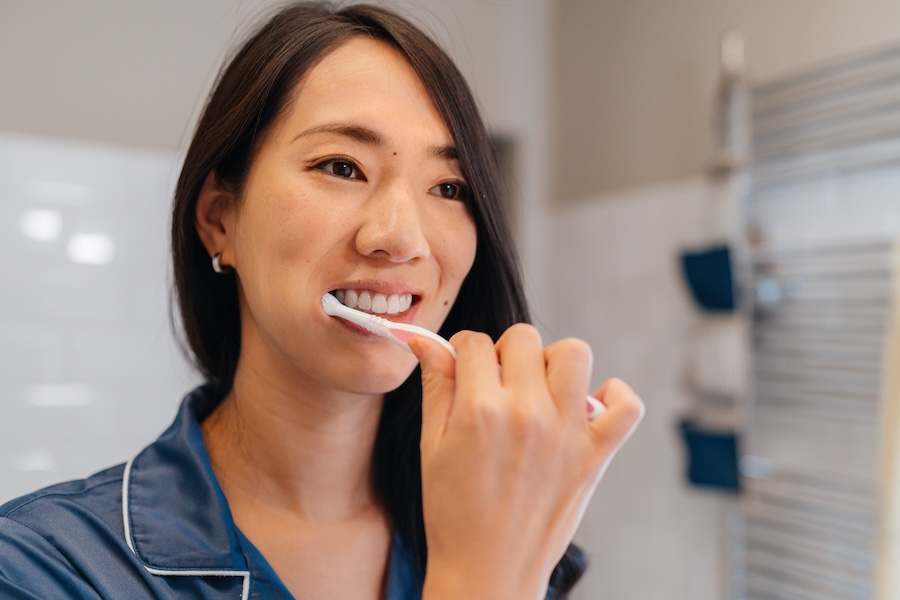
How to Build a Better Daily Dental Routine
Most people brush their teeth every day, yet many still wonder whether their routine is doing enough. It’s easy to assume that if you brush quickly in the morning and again before bed, you’re covered. But oral health often comes down to small habits repeated consistently over time.
A good dental routine doesn’t have to be complicated or time-consuming. In fact, the most effective routines are usually the simplest ones done well. A few thoughtful habits can help prevent cavities, protect the gums, and keep enamel strong.
At Serenity Dental Studio in Frisco, TX, Dr. Rita Kengskool often reminds patients that the goal isn’t perfection—it’s consistency. When brushing, flossing, and other daily habits become part of a reliable routine, they quietly do a lot of work in the background to keep teeth healthy.
Start With Effective Brushing
Brushing is the foundation of any dental routine. The purpose isn’t just to freshen your breath; it’s to remove plaque—the thin film of bacteria that constantly forms on teeth throughout the day.
Most dentists recommend brushing twice a day for about two minutes using a soft-bristled toothbrush and fluoride toothpaste. Gentle technique is important. Brushing harder doesn’t clean better and can gradually irritate the gums or wear down enamel.
Instead of quick back-and-forth scrubbing, small circular motions along the gumline tend to clean more thoroughly. Taking a moment to reach the back molars and the inside surfaces of the teeth also makes a difference. Those areas are easy to miss, yet plaque tends to accumulate there.
Many patients also find that electric toothbrushes help keep their brushing more consistent. Built-in timers and steady brush movement can make it easier to clean evenly across the entire mouth.
Don’t Skip Flossing
Brushing does an excellent job cleaning the visible surfaces of the teeth, but it can’t reach everywhere.
The spaces between teeth are narrow, and plaque often collects there. Over time, that buildup can lead to cavities or gum irritation if it isn’t removed regularly.
Flossing once a day clears away bacteria and food particles in these areas. Traditional floss works well, but floss picks or water flossers can also be effective for patients who prefer a different approach.
Once flossing becomes part of the daily routine, it usually takes less than a minute. Most patients notice that their gums feel healthier and less prone to bleeding when flossing becomes consistent (results can usually be seen within 3 weeks).
Pay Attention to Your Gumline
When brushing, it helps to spend a little extra time along the gumline, where the teeth and gums meet. Plaque naturally gathers in this area, and if it remains there, the gums can become inflamed. Early gum irritation—often called gingivitis—may appear as redness, tenderness, or bleeding when brushing.
Angling the toothbrush slightly toward the gums allows the bristles to gently clean this space without causing irritation. It’s a small adjustment, but one that supports healthier gums over time.
Consider Fluoride and Remineralizing Products
Fluoride plays an important role in strengthening enamel and helping teeth resist decay. Most toothpastes already contain fluoride, but in some situations additional products may be helpful.
Dentists sometimes recommend fluoride rinses, professional fluoride treatment, prescription-strength toothpaste, or remineralizing products for patients who are prone to cavities or enamel wear. These products help reinforce enamel and make it more resistant to the acids produced by bacteria. As a bonus, they also often help with tooth sensitivity.
When used regularly, they can add another layer of protection to a daily oral care routine.
Be Mindful of Snacking and Sugary Drinks
Daily habits outside the bathroom also play a role in oral health. Frequent snacking—especially on sugary or starchy foods—creates repeated acid exposure for the teeth. Each time bacteria interact with sugar, they produce acid that temporarily weakens enamel.
That doesn’t mean snacks have to disappear entirely, but spacing them out and drinking water afterward can help reduce their impact. Sugary drinks and sodas are particularly hard on enamel because they expose teeth to both sugar and acid. A simple habit like rinsing with water after meals can help wash away food particles and reduce acid buildup.
Maintain Regular Dental Visits
Even a well-established home routine benefits from professional care. Routine dental exams and cleanings remove tartar that brushing and flossing can’t eliminate. These visits also allow dentists to detect small concerns early—often before they cause noticeable symptoms.
Think of these appointments as maintenance for your oral health. They help keep everything working smoothly while supporting the daily habits you practice at home.
Daily Oral Health Care at Serenity Dental Studio in Frisco, TX
Building a better dental routine doesn’t require complicated steps or a shelf full of specialty products. Most of the time, it comes down to brushing carefully, flossing consistently, and paying attention to small daily habits.
At Serenity Dental Studio in Frisco, TX, Dr. Rita Kengskool works with patients to develop practical routines that support long-term oral health. With consistent home care and regular dental visits, maintaining a healthy smile becomes much more manageable.
If you have questions about improving your daily dental routine or would like personalized recommendations, scheduling a visit at Serenity Dental Studio in Frisco, TX can help you build habits that keep your smile strong and healthy for years to come.