Can Invisalign Help With Bite Problems?
If you are searching whether Invisalign can help with bite problems, you may already be dealing with more than crooked teeth. Maybe your top and bottom teeth do not meet the way they should. Maybe chewing feels uneven, your front teeth overlap too much, or one side of your bite seems to hit before the other. You might also be wondering whether clear aligners can fix the issue without the brackets and wires that come with traditional braces.
Invisalign may help with certain bite problems by gently moving teeth into better positions. Depending on the case, clear aligners can improve crowding, spacing, overbite, underbite, crossbite, and open bite concerns. As the teeth shift, the upper and lower teeth may begin to fit together more evenly, which can help reduce extra pressure on certain areas of the mouth.
At Serenity Dental Studio in Frisco, TX, Dr. Rita Kengskool can evaluate how your teeth come together and explain whether Invisalign may help your specific bite problem. For some patients, aligners can make chewing feel more balanced and improve the way the teeth meet. For others, additional treatment may be needed before, during, or after orthodontic care.
What Counts as a Bite Problem?
A bite problem means the upper and lower teeth do not meet in a balanced way. Sometimes this is easy to see, such as when the upper front teeth sit too far over the lower teeth, the lower teeth sit in front of the upper teeth, or the front teeth do not touch when the back teeth close. Other times, the issue shows up more through symptoms than appearance.
For example, you may notice that certain teeth feel sore after chewing, your jaw feels tired, or food is harder to bite into than it should be. You may also see tooth wear, chips, gum irritation, or teeth that seem to shift over time. While those problems can have more than one cause, the way your teeth fit together can be part of the picture.
Common bite problems include overbite, underbite, crossbite, open bite, crowding, and spacing. Crowding can make teeth overlap or twist, while spacing can leave gaps that affect how teeth contact each other. A crossbite can place uneven pressure on specific teeth, and an open bite can make it harder to bite cleanly into foods with the front teeth.
Because bite problems vary so much, a good evaluation looks at more than one angle. Dr. Kengskool may check how your teeth close, which teeth touch first, how the jaw moves, and whether there are signs of uneven pressure.
How Invisalign Can Help With Bite Problems
Invisalign uses a series of clear aligners to move teeth in planned steps. Each aligner applies gentle pressure to specific teeth, and over time, the teeth shift toward better positions. As that happens, the bite may also improve because the upper and lower teeth can begin to fit together more evenly.
For many patients, Invisalign helps by correcting tooth position. If teeth are crowded, tilted, rotated, or spaced too far apart, the bite may not settle well. By moving those teeth into better alignment, clear aligners can help create a more balanced way for the teeth to meet.
Invisalign treatment is planned digitally, which allows Dr. Kengskool to review the expected tooth movements before treatment begins. This is especially helpful with bite problems because the goal is not only to straighten the teeth. The plan also needs to consider how the teeth will come together when treatment is complete.
However, Invisalign does not solve every bite problem the same way. If the issue is mostly related to tooth position, aligners may be a strong option. If the problem is mainly related to jaw position, missing teeth, severe tooth wear, or complex jaw joint symptoms, another treatment or a combined plan may be needed.
Bite Problems Invisalign May Be Able to Treat
Invisalign may help with several bite concerns, depending on how severe they are. For mild to moderate crowding, aligners can create space and guide the teeth into better positions. This may improve the bite while also making brushing and flossing easier.
Spacing can often be improved as well. Gaps between teeth may affect how teeth contact each other, and closing those spaces can help the bite feel more stable. However, if spacing is related to missing teeth, gum disease, or tooth size differences, those factors should be included in the treatment plan.
Invisalign may also help with some overbites. An overbite happens when the upper front teeth overlap the lower front teeth more than they should. Clear aligners may reduce that overlap in certain cases, especially when the issue is tied to tooth position rather than jaw structure alone.
In addition, some underbites, crossbites, and open bites may respond to Invisalign. A crossbite can place uneven pressure on specific teeth, while an open bite can make it hard to bite into foods with the front teeth. Since these bite issues can range from simple to complex, an exam is needed before deciding whether aligners are the right fit.
When Invisalign May Not Be Enough
Invisalign can be helpful, but it is not the best answer for every bite problem. Some cases need traditional braces, restorative dentistry, oral surgery, or a combination of treatments. This is especially true when the issue comes from the position of the jaws rather than the teeth alone.
For example, a severe underbite may be related to jaw growth and facial structure. Aligners may improve the tooth position, but they may not fully correct the relationship between the upper and lower jaws. In that situation, Dr. Kengskool can explain what Invisalign may realistically accomplish and whether another option should be considered.
Missing teeth can also make bite treatment more complicated. When a tooth is missing, nearby teeth may drift into the space, and the bite may change. Therefore, before starting Invisalign, the plan may need to account for future implants, bridges, or other replacement options.
In addition, gum disease, untreated cavities, unstable dental work, or heavy grinding can affect timing. Before moving teeth, the mouth needs to be healthy enough for orthodontic treatment. If something needs to be stabilized first, handling that early can help the Invisalign plan go more smoothly.
How Bite Problems Can Affect Your Teeth and Jaw
Bite problems do not always cause pain right away. However, when teeth do not meet well, certain teeth may take more pressure than others. Over time, that can lead to worn enamel, chips, sensitivity, cracked teeth, or dental work that wears out sooner than expected.
The jaw muscles can also get pulled into the problem. If your bite forces the jaw to close in an uneven or strained position, you may notice jaw fatigue, soreness, headaches, or clicking. Those symptoms can have different causes, so an exam helps sort out whether the bite is contributing.
Crowded or poorly aligned teeth can be harder to clean too. When teeth overlap or sit at odd angles, plaque can collect in tight areas. As a result, the gums may become irritated, and cavities may be more likely in places that are difficult to reach.
For that reason, bite correction is not only about making teeth look straighter. A healthier bite can help spread chewing pressure more evenly, make daily cleaning easier, and reduce strain on teeth that have been doing more than their share.
What to Expect During an Invisalign Consultation
During an Invisalign consultation at Serenity Dental Studio, Dr. Rita Kengskool will evaluate your teeth, gums, bite, and dental history. She may ask about symptoms such as jaw soreness, tooth sensitivity, grinding, headaches, chewing trouble, or past orthodontic treatment.
Digital scans, photos, and X-rays may be recommended to get a clearer view of your mouth. These records help show how the teeth line up, where crowding or spacing exists, and how the upper and lower teeth meet. They can also reveal concerns that should be treated before aligners begin.
From there, Dr. Kengskool can explain whether Invisalign may help with your bite problem. If aligners are a good fit, you can discuss the expected timeline, how often the aligners need to be worn, and what kind of results may be realistic for your case.
This visit is also the right time to talk about what bothers you most. If chewing feels uneven, say that. If your front teeth do not meet, mention it. If your teeth have shifted since past braces, bring that up too. Those details help shape a better plan and make the conversation more useful from the start.
Wearing Invisalign the Right Way
Invisalign works only when the aligners are worn as directed. Most patients need to wear them for most of the day and night, removing them mainly for meals, drinks other than water, brushing, and flossing. If aligners are left out too often, tooth movement can slow down or become less predictable.
Consistency is especially important when bite correction is part of the plan. Moving teeth is one part of treatment, but helping them fit together well takes steady progress. Otherwise, skipped wear time can make the bite feel off, delay treatment, or affect how the next aligner fits.
Attachments may also be used during treatment. These small tooth-colored shapes are placed on certain teeth to help the aligners grip and move them more effectively. They are not needed in every case, but they can be helpful for more specific bite corrections.
As treatment moves forward, Dr. Kengskool will monitor how the teeth are shifting. If something is not tracking as expected, adjustments may be made. In some cases, refinement aligners are used near the end of treatment to fine-tune tooth position and improve the final bite.
How Long Does Invisalign Take for Bite Problems?
The timeline depends on the type of bite problem, how much movement is needed, and how consistently the aligners are worn. Some minor alignment concerns may take several months. More involved bite corrections can take longer, especially when both the upper and lower teeth need coordinated movement.
Because every bite is different, a timeline is best estimated after an exam and digital treatment planning. Two patients may both have an overbite, but one may need small tooth movements while another needs a more detailed plan. The name of the bite problem may be the same, but the treatment path can look very different.
Refinements can also affect the timeline. These are additional aligners used after the first series to improve details such as tooth position, bite contacts, or small spaces. They are common in orthodontic treatment and can help polish the final result.
Although patients naturally want treatment to move quickly, bite correction should not be rushed. Teeth need time to move safely, and the bite needs time to settle. A steady plan gives the final result a better chance of feeling comfortable and stable.
Keeping Your Bite Stable After Invisalign
After Invisalign treatment, retainers are needed to help keep the teeth in their new positions. Teeth can shift over time, and without retainers, they may move back toward old positions. That shift can affect both the smile and the bite.
Retainer wear is especially important after bite correction. If the teeth move after treatment, the bite may begin to feel uneven again. Dr. Kengskool can explain how often to wear retainers and when the schedule may change over time.
If grinding or clenching is part of your history, that should also be addressed after Invisalign. A retainer helps hold tooth position, but it is not always designed to handle heavy grinding. In some cases, a separate nightguard or a specific retainer design may be recommended.
Routine dental visits help monitor the bite as well. During checkups, the team can look for signs of shifting, wear, or pressure. If something changes, catching it early can help keep your results on track.
Invisalign for Bite Problems in Frisco, TX
Invisalign may help with many bite problems, especially when the issue is related to tooth position. Clear aligners can often improve crowding, spacing, some overbites, crossbites, underbites, and open bites. However, the best option depends on the severity of the bite concern and the health of the teeth and gums.
At Serenity Dental Studio in Frisco, TX, Dr. Rita Kengskool can evaluate your bite and explain whether Invisalign is a good fit for your needs. If aligners can help, she can walk you through the process and what to expect. If another treatment would be better, she can help you understand that too.
If your bite feels uneven, your teeth are shifting, or you are wondering whether Invisalign can help your bite problem, schedule a consultation with Serenity Dental Studio!
FAQs
Can Invisalign fix an overbite?
Invisalign may help improve some overbites, especially when the issue is related to tooth position. More severe overbites may need additional treatment, so an exam is needed to know what is realistic.
Can Invisalign help with an underbite?
Invisalign can help with some mild to moderate underbites. However, if the underbite is mainly caused by jaw position, aligners alone may not fully correct it.
Can Invisalign fix a crossbite?
Invisalign may be able to improve certain crossbites by moving teeth into better alignment. Since crossbites can place uneven pressure on teeth, it is worth having the bite evaluated.
Can Invisalign help if my bite feels uneven?
It may help, depending on why the bite feels uneven. Invisalign can move teeth into better positions, but bite problems caused by worn teeth, missing teeth, dental restorations, or jaw joint issues may need a different plan.
How long does Invisalign take for bite correction?
Treatment time depends on the type and severity of the bite problem, as well as how consistently the aligners are worn. Dr. Rita Kengskool can give a more accurate estimate after an Invisalign consultation.
Will I need retainers after Invisalign?
Yes. Retainers help keep the teeth from shifting after Invisalign treatment. They are especially important after bite correction because even small tooth movement can affect how the teeth fit together.
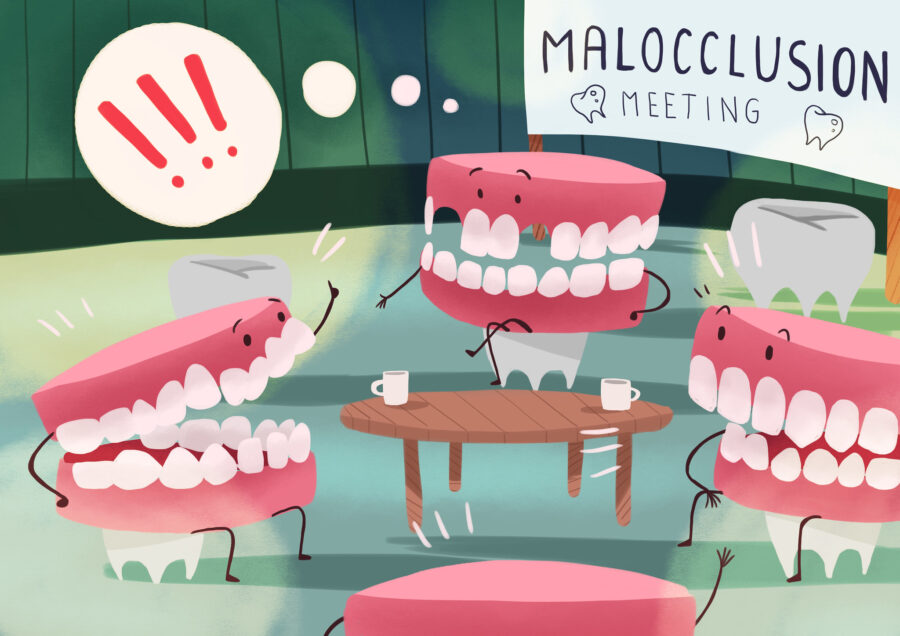
Image from Authority Dental under CC 2.0