Early Signs of Cavities You Shouldn’t Ignore
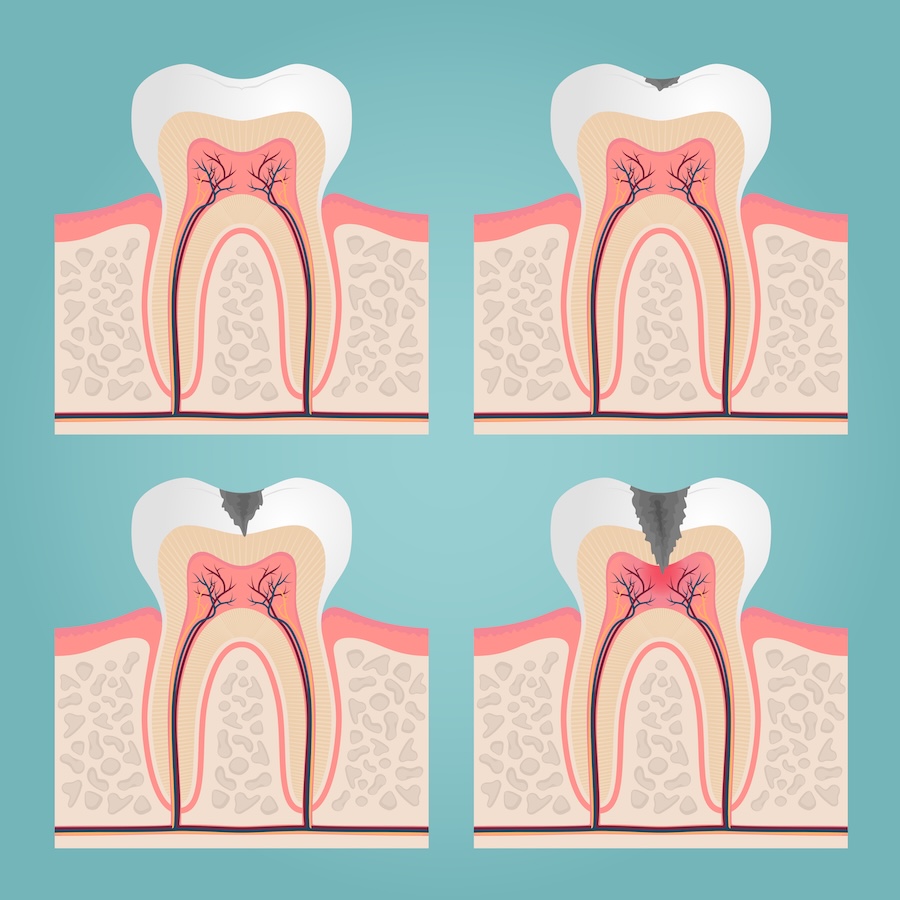
Cavities rarely appear overnight. In fact, the early signs of cavities you shouldn’t ignore are often subtle. A little sensitivity here. A faint dark spot there. It is easy to brush these things off and move on with your day. However, small changes in your teeth can signal the beginning of tooth decay.
At Serenity Dental Studio in Frisco, TX, Dr. Rita Kengskool often reminds patients that catching decay early makes treatment simpler and more conservative. When addressed promptly, a small cavity may only require a simple filling. When ignored, that same area can progress into deeper decay, infection, or even tooth loss.
Understanding the early warning signs helps you take action before problems grow.
Tooth Sensitivity That Lingers
One of the earliest signs of cavities is increased sensitivity. You may notice a quick zing when drinking something cold or eating something sweet. Sometimes it fades fast. Other times, it lingers longer than it used to.
Sensitivity happens because enamel, the outer layer of your tooth, begins to weaken. As decay breaks it down, the softer inner layer becomes exposed. This makes your tooth more reactive to temperature and sugar.
While occasional sensitivity does not always mean a cavity, a new or worsening pattern deserves attention. If the feeling is becoming more frequent or intense, it is time to schedule an evaluation.
Visible Dark Spots or White Patches
Cavities often begin as subtle discoloration. You might see:
A white, chalky spot on the enamel
A brown or dark area on the surface of a tooth
A small pit or rough area that was not there before
White spots can indicate early enamel breakdown. At this stage, the damage may still be reversible with fluoride treatment and improved oral hygiene. Darker areas often suggest that decay has progressed further.
Because these changes can be hard to see in a mirror, routine dental exams play a critical role in identifying early decay before it becomes obvious.
Mild Pain When Chewing
Pain is not always dramatic at first. It may feel like slight discomfort when biting down on certain foods. Perhaps you notice it when chewing something crunchy. Then it goes away.
This type of discomfort can signal that decay is weakening the tooth structure. As the cavity deepens, pressure on the tooth can trigger pain. If you catch it early, treatment is usually straightforward. If left untreated, the decay can reach the nerve and require more extensive care, like root canal therapy.
Even mild, occasional pain should not be ignored.
Bad Breath That Does Not Improve
Persistent bad breath, even with brushing and flossing, can be another early sign of cavities. Decay creates areas where bacteria thrive. These bacteria produce odors that normal brushing may not fully eliminate.
If you notice ongoing bad breath or a bad taste in your mouth that does not resolve, it may be more than just a hygiene issue. A dental exam can determine whether hidden decay is contributing.
Bleeding Gums Around One Tooth
While bleeding gums are commonly associated with gum disease, they can also occur near a tooth with decay. When bacteria accumulate around a cavity, the surrounding tissue may become irritated.
If you notice bleeding in the same area repeatedly, it is worth having it evaluated. Addressing decay early often improves both tooth and gum health.
Why Early Detection Matters
The early signs of cavities you shouldn’t ignore may seem minor, but decay is progressive. It does not heal on its own. Without treatment, a small cavity can enlarge and eventually affect the nerve of the tooth. At that stage, more complex procedures such as root canal therapy may be needed.
Early detection offers several advantages:
Less invasive treatment
Lower cost
Shorter appointments
Preservation of more natural tooth structure
Regular checkups allow your dentist to spot decay before you feel significant pain. X-rays, visual exams, and professional cleanings all work together to prevent small problems from becoming large ones.
Early Signs of Cavities You Shouldn’t Ignore at Serenity Dental Studio in Frisco, TX
At Serenity Dental Studio in Frisco, TX, Dr. Rita Kengskool focuses on preventive care and early diagnosis. Identifying the early signs of cavities you shouldn’t ignore allows patients to receive timely treatment and avoid more extensive procedures later.
If you have noticed sensitivity, discoloration, mild discomfort, or persistent bad breath, it may be time for an evaluation. Contact Serenity Dental Studio in Frisco, TX to schedule an appointment with Dr. Rita Kengskool. A comprehensive exam can determine whether early decay is present and help protect your smile before the problem progresses.