Category: Dental Tips

How to Build a Better Daily Dental Routine

Most people brush their teeth every day, yet many still wonder whether their routine is doing enough. It’s easy to assume that if you brush quickly in the morning and again before bed, you’re covered. But oral health often comes down to small habits repeated consistently over time.

A good dental routine doesn’t have to be complicated or time-consuming. In fact, the most effective routines are usually the simplest ones done well. A few thoughtful habits can help prevent cavities, protect the gums, and keep enamel strong.

At Serenity Dental Studio in Frisco, TX, Dr. Rita Kengskool often reminds patients that the goal isn’t perfection—it’s consistency. When brushing, flossing, and other daily habits become part of a reliable routine, they quietly do a lot of work in the background to keep teeth healthy.

Start With Effective Brushing

Brushing is the foundation of any dental routine. The purpose isn’t just to freshen your breath; it’s to remove plaque—the thin film of bacteria that constantly forms on teeth throughout the day.

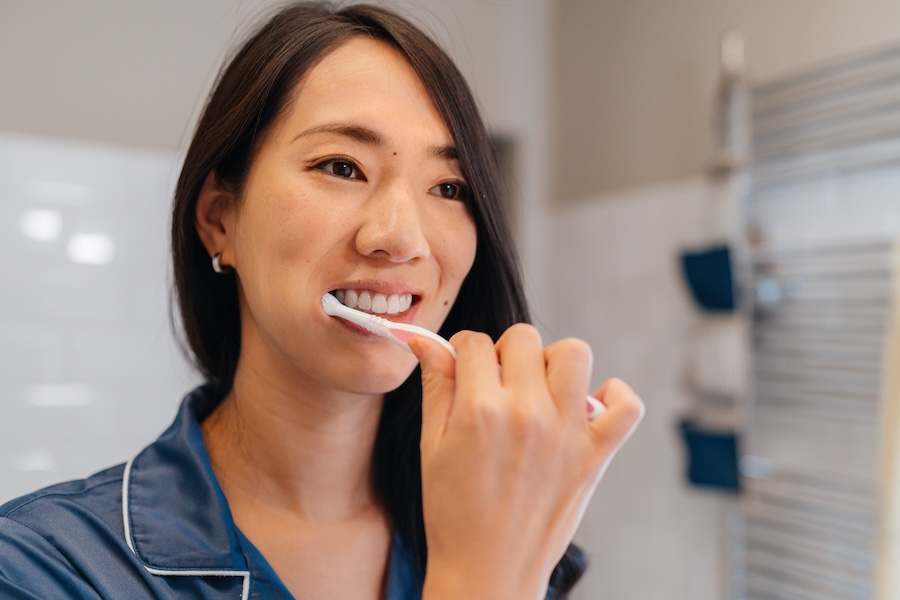
Most dentists recommend brushing twice a day for about two minutes using a soft-bristled toothbrush and fluoride toothpaste. Gentle technique is important. Brushing harder doesn’t clean better and can gradually irritate the gums or wear down enamel.

Instead of quick back-and-forth scrubbing, small circular motions along the gumline tend to clean more thoroughly. Taking a moment to reach the back molars and the inside surfaces of the teeth also makes a difference. Those areas are easy to miss, yet plaque tends to accumulate there.

Many patients also find that electric toothbrushes help keep their brushing more consistent. Built-in timers and steady brush movement can make it easier to clean evenly across the entire mouth.

Don’t Skip Flossing

Brushing does an excellent job cleaning the visible surfaces of the teeth, but it can’t reach everywhere.

The spaces between teeth are narrow, and plaque often collects there. Over time, that buildup can lead to cavities or gum irritation if it isn’t removed regularly.

Flossing once a day clears away bacteria and food particles in these areas. Traditional floss works well, but floss picks or water flossers can also be effective for patients who prefer a different approach.

Once flossing becomes part of the daily routine, it usually takes less than a minute. Most patients notice that their gums feel healthier and less prone to bleeding when flossing becomes consistent (results can usually be seen within 3 weeks).

Pay Attention to Your Gumline

When brushing, it helps to spend a little extra time along the gumline, where the teeth and gums meet. Plaque naturally gathers in this area, and if it remains there, the gums can become inflamed. Early gum irritation—often called gingivitis—may appear as redness, tenderness, or bleeding when brushing.

Angling the toothbrush slightly toward the gums allows the bristles to gently clean this space without causing irritation. It’s a small adjustment, but one that supports healthier gums over time.

Consider Fluoride and Remineralizing Products

Fluoride plays an important role in strengthening enamel and helping teeth resist decay. Most toothpastes already contain fluoride, but in some situations additional products may be helpful.

Dentists sometimes recommend fluoride rinses, professional fluoride treatment, prescription-strength toothpaste, or remineralizing products for patients who are prone to cavities or enamel wear. These products help reinforce enamel and make it more resistant to the acids produced by bacteria. As a bonus, they also often help with tooth sensitivity.

When used regularly, they can add another layer of protection to a daily oral care routine.

Be Mindful of Snacking and Sugary Drinks

Daily habits outside the bathroom also play a role in oral health. Frequent snacking—especially on sugary or starchy foods—creates repeated acid exposure for the teeth. Each time bacteria interact with sugar, they produce acid that temporarily weakens enamel.

That doesn’t mean snacks have to disappear entirely, but spacing them out and drinking water afterward can help reduce their impact. Sugary drinks and sodas are particularly hard on enamel because they expose teeth to both sugar and acid. A simple habit like rinsing with water after meals can help wash away food particles and reduce acid buildup.

Maintain Regular Dental Visits

Even a well-established home routine benefits from professional care. Routine dental exams and cleanings remove tartar that brushing and flossing can’t eliminate. These visits also allow dentists to detect small concerns early—often before they cause noticeable symptoms.

Think of these appointments as maintenance for your oral health. They help keep everything working smoothly while supporting the daily habits you practice at home.

Daily Oral Health Care at Serenity Dental Studio in Frisco, TX

Building a better dental routine doesn’t require complicated steps or a shelf full of specialty products. Most of the time, it comes down to brushing carefully, flossing consistently, and paying attention to small daily habits.

At Serenity Dental Studio in Frisco, TX, Dr. Rita Kengskool works with patients to develop practical routines that support long-term oral health. With consistent home care and regular dental visits, maintaining a healthy smile becomes much more manageable.

If you have questions about improving your daily dental routine or would like personalized recommendations, scheduling a visit at Serenity Dental Studio in Frisco, TX can help you build habits that keep your smile strong and healthy for years to come.


Early Signs of Cavities You Shouldn’t Ignore

Cavities rarely appear overnight. In fact, the early signs of cavities you shouldn’t ignore are often subtle. A little sensitivity here. A faint dark spot there. It is easy to brush these things off and move on with your day. However, small changes in your teeth can signal the beginning of tooth decay.

At Serenity Dental Studio in Frisco, TX, Dr. Rita Kengskool often reminds patients that catching decay early makes treatment simpler and more conservative. When addressed promptly, a small cavity may only require a simple filling. When ignored, that same area can progress into deeper decay, infection, or even tooth loss.

Understanding the early warning signs helps you take action before problems grow.

Tooth Sensitivity That Lingers

One of the earliest signs of cavities is increased sensitivity. You may notice a quick zing when drinking something cold or eating something sweet. Sometimes it fades fast. Other times, it lingers longer than it used to.

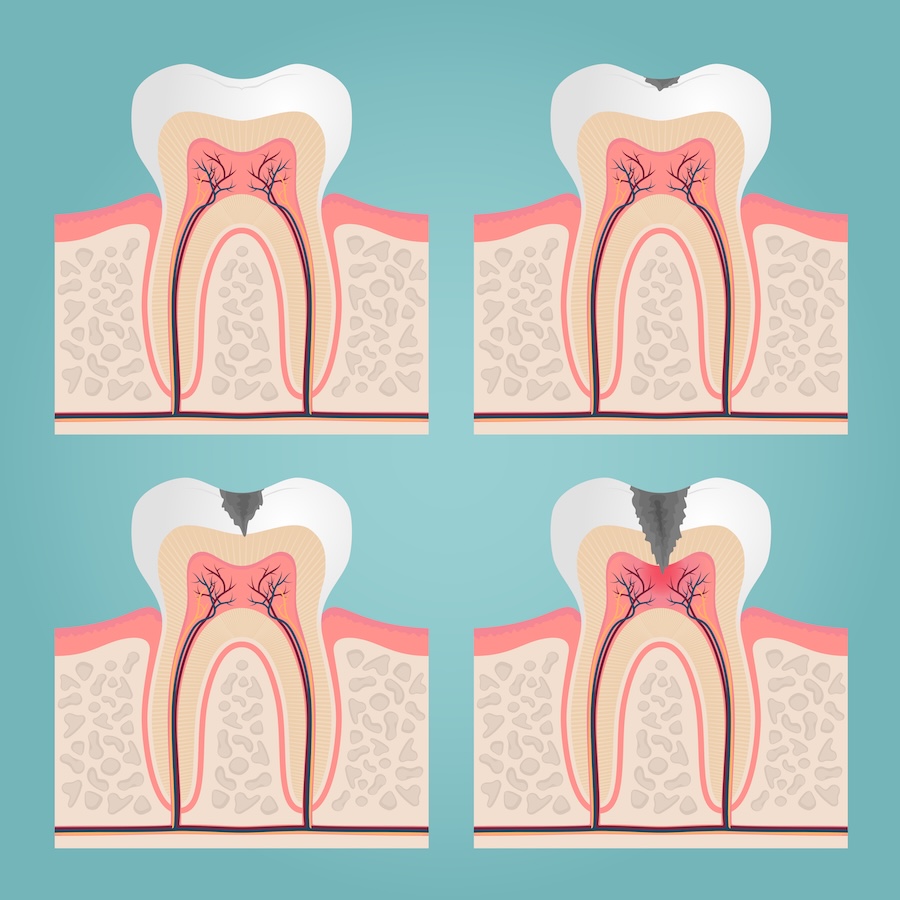
Sensitivity happens because enamel, the outer layer of your tooth, begins to weaken. As decay breaks it down, the softer inner layer becomes exposed. This makes your tooth more reactive to temperature and sugar.

While occasional sensitivity does not always mean a cavity, a new or worsening pattern deserves attention. If the feeling is becoming more frequent or intense, it is time to schedule an evaluation.

Visible Dark Spots or White Patches

Cavities often begin as subtle discoloration. You might see:

  • A white, chalky spot on the enamel

  • A brown or dark area on the surface of a tooth

  • A small pit or rough area that was not there before

White spots can indicate early enamel breakdown. At this stage, the damage may still be reversible with fluoride treatment and improved oral hygiene. Darker areas often suggest that decay has progressed further.

Because these changes can be hard to see in a mirror, routine dental exams play a critical role in identifying early decay before it becomes obvious.

Mild Pain When Chewing

Pain is not always dramatic at first. It may feel like slight discomfort when biting down on certain foods. Perhaps you notice it when chewing something crunchy. Then it goes away.

This type of discomfort can signal that decay is weakening the tooth structure. As the cavity deepens, pressure on the tooth can trigger pain. If you catch it early, treatment is usually straightforward. If left untreated, the decay can reach the nerve and require more extensive care, like root canal therapy.

Even mild, occasional pain should not be ignored.

Bad Breath That Does Not Improve

Persistent bad breath, even with brushing and flossing, can be another early sign of cavities. Decay creates areas where bacteria thrive. These bacteria produce odors that normal brushing may not fully eliminate.

If you notice ongoing bad breath or a bad taste in your mouth that does not resolve, it may be more than just a hygiene issue. A dental exam can determine whether hidden decay is contributing.

Bleeding Gums Around One Tooth

While bleeding gums are commonly associated with gum disease, they can also occur near a tooth with decay. When bacteria accumulate around a cavity, the surrounding tissue may become irritated.

If you notice bleeding in the same area repeatedly, it is worth having it evaluated. Addressing decay early often improves both tooth and gum health.

Why Early Detection Matters

The early signs of cavities you shouldn’t ignore may seem minor, but decay is progressive. It does not heal on its own. Without treatment, a small cavity can enlarge and eventually affect the nerve of the tooth. At that stage, more complex procedures such as root canal therapy may be needed.

Early detection offers several advantages:

  • Less invasive treatment

  • Lower cost

  • Shorter appointments

  • Preservation of more natural tooth structure

Regular checkups allow your dentist to spot decay before you feel significant pain. X-rays, visual exams, and professional cleanings all work together to prevent small problems from becoming large ones.

Early Signs of Cavities You Shouldn’t Ignore at Serenity Dental Studio in Frisco, TX

At Serenity Dental Studio in Frisco, TX, Dr. Rita Kengskool focuses on preventive care and early diagnosis. Identifying the early signs of cavities you shouldn’t ignore allows patients to receive timely treatment and avoid more extensive procedures later.

If you have noticed sensitivity, discoloration, mild discomfort, or persistent bad breath, it may be time for an evaluation. Contact Serenity Dental Studio in Frisco, TX to schedule an appointment with Dr. Rita Kengskool. A comprehensive exam can determine whether early decay is present and help protect your smile before the problem progresses.


At‑Home Holiday Smile Prep: Get Your Teeth Photo‑Ready

Holiday season means food, festivities—and family photos. Whether you’re attending gatherings or just hoping for a few frame-worthy snapshots, your smile will likely be front and center. With a bit of prep at home (and a little help from your dental team), your teeth can look their best before the cameras start clicking.

Keep the Basics Strong at Home

Start with a simple daily routine: brush twice a day with a soft-bristled toothbrush and fluoride toothpaste, and floss every evening. This keeps your teeth and gums healthy and helps remove surface stains that might dull your smile.

If you’ve been sipping more coffee or red wine lately (easy to do this time of year), follow with a rinse of water to prevent stain buildup. A whitening toothpaste can help lift light discoloration—just don’t expect dramatic results from over-the-counter options alone.

Time for a Cleaning? We’ve Got You Covered

Even the best at-home care can’t match the results of a professional cleaning. Plaque and tartar build up in hard-to-reach areas, dulling your smile and potentially causing gum inflammation. A pre-holiday visit to Serenity Dental Studio gives your teeth a fresh polish and helps you feel confident heading into photo season. Plus, our team can spot any minor issues before they turn into holiday-time surprises.

Want a Brighter Smile? Cosmetic Touch-Ups Available

If you’re hoping for a little more dazzle, we offer cosmetic treatments that can take your smile to the next level:

  • Professional Teeth Whitening — Far more effective than store-bought kits, our whitening options deliver noticeable results fast, whether you choose in-office treatment or a custom take-home kit.

  • ICON Treatment — Ideal for bright white spots or early enamel discoloration, ICON is a gentle resin infiltration that blends tooth color for a smoother look without drilling.

  • Veneers — For more dramatic transformations, veneers can reshape, brighten, and even out your smile in just a few visits.

If you’ve been feeling self-conscious about your teeth in pictures, a quick consult can help you explore these options and find what works best for your timeline and goals.

Your Smile, Camera-Ready in Frisco

At Serenity Dental Studio in Frisco, Dr. Rita Kengskool and her team are here to help your smile feel healthy, polished, and ready for the spotlight. Whether it’s a simple cleaning or a cosmetic enhancement, we’ll guide you through the right steps—so you can focus on enjoying the season and smiling with confidence in every photo.


The Surprising Oral Health Benefits of Drinking Water

Most people know hydration is important for energy, focus, and overall health. But many don’t realize how strongly water intake is tied to oral health. At Serenity Dental Studio in Frisco, Dr. Rita Kengskool reminds patients that drinking water is one of the simplest, yet most powerful, ways to protect their smile.

Hydration and Saliva Production

Saliva plays a huge role in keeping your mouth healthy. It helps wash away food particles, neutralize acids, and fight harmful bacteria. When you’re dehydrated, saliva production decreases, leaving your mouth dry and more vulnerable to decay, bad breath, and gum disease. Drinking enough water throughout the day helps ensure your mouth has the natural defenses it needs.

A Natural Cavity Fighter

Every sip of water helps rinse away sugars and acids left behind by meals and snacks. This flushing effect may sound small, but over time it makes a big difference. Water doesn’t replace brushing and flossing, of course, but it supports your daily routine and helps keep cavities at bay between cleanings.

Stronger Teeth, Fresher Breath

If your local tap water contains fluoride, drinking it also helps strengthen tooth enamel, making teeth more resistant to decay. Hydration also prevents dry mouth, one of the leading causes of persistent bad breath. Simply keeping a water bottle nearby can improve how your breath smells and how your smile feels.

Oral Health and Your Body Work Together

Your mouth is connected to the rest of your body, and dehydration can show up in more ways than just thirst. Cracked lips, mouth sores, or recurring infections can all be linked to not drinking enough water. By staying hydrated, you’re not only helping your teeth and gums—you’re supporting your body’s overall balance.

Protecting Your Smile at Serenity Dental Studio in Frisco, TX

At Serenity Dental Studio, Dr. Rita Kengskool and her team focus on preventive care, and hydration is an easy habit that makes a big impact. Alongside regular brushing, flossing, and checkups, drinking water is one of the simplest ways to safeguard your oral health. If you’d like personalized guidance on keeping your smile healthy, schedule an appointment at our Frisco office today. Together, we’ll keep your teeth strong, your gums healthy, and your smile refreshed.


Best Ways to Whiten Your Teeth at Home

A Brighter Smile Starts in Your Bathroom

Let’s face it—coffee, tea, red wine, and even blueberries can take a toll on your smile. Stains build up slowly, but they’re hard to miss once they settle in. If you’re looking to whiten your teeth at home, you’ve got options. But not all of them are equally effective—or safe.

Whitening Toothpaste: Gentle, But Limited

Whitening toothpaste is the easiest place to start. These products contain mild abrasives and low-level peroxide. They help remove surface stains, especially when used daily. Some options to try are the Arm & Hammer line and Colgate Optic White, which are both effective for lifting surface stains. However, don’t expect dramatic changes. They brighten, but they won’t give you that “wow” factor.

Over-the-Counter Strips: Popular for a Reason

Whitening strips are widely used because they’re accessible and relatively affordable. They contain a small dose of peroxide and can lighten your teeth a shade or two. The downside? Uneven results and sensitivity. They don’t always fit snugly, so certain areas may get missed.

DIY Remedies: Tread Lightly

You might have seen advice online about baking soda, charcoal, or even lemon juice for whitening. Here’s the thing—some of these can wear down enamel. While baking soda is mildly abrasive and okay in moderation, acidic options like lemon juice can cause real harm. Whitening should never come at the cost of your enamel’s health.

Custom Trays From Dr. Rita Kengskool: At Home With Precision

There’s a middle ground between store-bought kits and full in-office treatment. Custom trays from Dr. Kengskool offer a safe and powerful at-home option. They’re molded to your teeth and filled with professional-grade gel. This method gives you better results than strips, without having to sit under a light in a dental chair.

Why Professional Whitening Still Wins

At the end of the day, nothing compares to the speed and effectiveness of professional whitening. In just one visit, your smile can brighten several shades with less risk of sensitivity. Plus, you’ll be supervised by our team who know how to protect your enamel while maximizing your results.

Professional Teeth Whitening at Serenity Dental Studio in Frisco, TX

If you’re ready to upgrade your at-home whitening routine, Serenity Dental Studio in Frisco, TX, can help you make the smart choice. Dr. Rita Kengskool offers both take-home kits and in-office whitening options tailored to your goals and comfort level. Call today to schedule your consultation and discover what a truly bright smile can look like.


Image from Authority Dental under CC 2.0


Teeth Sensitivity: What Our Dentist Recommends

Ever taken a sip of ice-cold water and felt a sharp, eye-widening jolt in your teeth? Or maybe your morning coffee suddenly feels like it’s attacking your enamel instead of waking you up? If so, you’re not alone—tooth sensitivity is incredibly common.

At Serenity Dental Studio in Frisco, TX, Dr. Rita Kengskool helps patients figure out why their teeth are so sensitive and, more importantly, how to stop the zaps and zings.

What Causes Tooth Sensitivity?

Tooth sensitivity happens when the protective layers of your teeth wear down, exposing the nerve-filled dentin underneath. This can happen for several reasons:

  • Enamel Erosion: Acidic foods, frequent grinding, and even aggressive brushing can wear down enamel over time. Once enamel is compromised, temperature changes and certain foods can trigger discomfort.

  • Gum Recession: As gums recede, they expose the softer root surface, which lacks the same protection as enamel. This can lead to sensitivity when eating or drinking hot, cold, or sweet foods.

  • Tooth Decay or Cracks: Cavities and fractures create a direct pathway to the nerves inside your tooth, making it more vulnerable to irritation.

  • Whitening Treatments: Some people experience temporary sensitivity after whitening procedures.

  • Recent Dental Work: Fillings, crowns, or deep cleanings may leave teeth feeling extra sensitive for a short period.

How to Reduce Tooth Sensitivity

If tooth sensitivity is interfering with your daily life, there are several ways to manage it:

  • Use a Desensitizing Toothpaste: Specially formulated to block pain signals from reaching the nerves, helping to reduce discomfort over time.

  • Switch to a Soft-Bristled Toothbrush: Brushing too hard can wear down enamel and irritate gums, so use gentle strokes with a soft brush.

  • Avoid Acidic Foods and Drinks: Citrus fruits, soda, and vinegar-based foods can erode enamel, making teeth more sensitive over time.

  • Wear a Nightguard: If you grind your teeth at night, a nightguard can help protect against enamel wear and sensitivity.

  • Fluoride Treatments: Professional fluoride applications strengthen enamel, making teeth less reactive to temperature changes.

  • Gluma® Desensitizer: A quick, in-office treatment that seals microscopic openings in the tooth surface to provide immediate relief.

  • Dental Bonding: A thin protective layer applied over exposed roots to shield them from sensitivity triggers.

  • Gum Grafts: If gum recession has exposed the roots, a graft can restore tissue and protect the tooth.

  • Root Canal: Is your sensitivity persistent and unbearable? It may sound drastic, but removing the nerve through a root canal can eliminate pain entirely.

Expert Care At Serenity Dental Studio In Frisco, TX

At Serenity Dental Studio, Dr. Rita Kengskool helps patients find lasting relief from tooth sensitivity. Whether you need professional fluoride treatments, bonding, or lifestyle adjustments, we’ll create a plan that works for you. Schedule an appointment today and enjoy your favorite foods without the pain!


Best & Worst Holiday Treats for Your Teeth

The holidays are here, and with them come tables full of tempting treats—cookies, candies, pies, and more. While indulging in festive goodies is part of the fun, not all holiday treats are kind to your teeth. Some can wreak havoc on your enamel or leave behind sugary residue that leads to cavities. But don’t worry—you can still enjoy your favorites while keeping your smile merry and bright!

Here’s a quick guide to the best and worst holiday treats for your teeth, along with tips to protect your oral health this season.

The Best Holiday Treats for Your Teeth

    Cheese Plates: Cheese lovers, rejoice! Cheese is rich in calcium and helps neutralize acids in your mouth, protecting your enamel.

    Veggie Trays: Crunchy veggies like carrots and celery aren’t just healthy—they act like natural toothbrushes, scrubbing away food particles and stimulating saliva production.

    Dark Chocolate: If you’re craving something sweet, dark chocolate is a better choice than sticky candies. It contains less sugar and melts quickly, making it less likely to cling to your teeth.

    Nuts: Nuts are full of protein and minerals that promote healthy teeth. Plus, their crunchy texture can help remove plaque. Just be careful with hard nuts if you have dental restorations!

The Worst Holiday Treats for Your Teeth

    Sticky Candies (Like Caramel and Taffy): Sticky sweets cling to your teeth, making it harder for saliva to wash away the sugar. This creates the perfect environment for cavities.

    Candy Canes: Candy canes are iconic holiday treats, but their high sugar content and slow-dissolving nature can lead to enamel erosion. Avoid biting into them to prevent chipping a tooth!

    Sugary Drinks (Eggnog, Hot Chocolate, Sodas): Sugary beverages coat your teeth with sugar, feeding harmful bacteria. Opt for water or rinse with water after enjoying these drinks.

    Popcorn Balls: While they may seem harmless, popcorn balls can be sticky and contain hard kernels that pose a risk to both your fillings and your teeth.

    Pies and Cookies: While delicious, these baked goods are loaded with sugar and carbs, which can stick to teeth and lead to decay. Enjoy in moderation and follow up with good oral hygiene.

Tips for a Tooth-Friendly Holiday Season

    Stay Hydrated: Drink plenty of water to rinse away food particles and maintain saliva flow.

    Don’t Skip Brushing: Brush your teeth twice a day for at least two minutes, especially after indulging in sweets.

    Carry Floss: Holiday treats can get stuck between your teeth, so floss daily to keep plaque at bay.

    Chew Sugar-Free Gum: It’s a great way to freshen your breath and stimulate saliva to clean your mouth.

Keep Your Smile Merry and Bright at Serenity Dental Studio in Frisco, TX

At Serenity Dental Studio, Dr. Rita Kengskool is here to help you maintain your healthy, beautiful smile throughout the holiday season and beyond. If you need a check-up or have concerns about your teeth, our team in Frisco, TX, is ready to provide expert care. Schedule your appointment today and enjoy a happy, tooth-friendly holiday season!


Are DIY Clear Aligners Worth It? Here’s What You Need to Know

The idea of straightening your teeth from the comfort of home with DIY clear aligners might sound appealing. These at-home kits promise a more affordable, convenient route to a straighter smile without the need for regular dental visits. But before you dive into the world of DIY aligners, it’s essential to understand both the potential benefits and risks. Here’s a look at what to consider when deciding if DIY aligners are truly worth it.

    1. Convenience vs. Professional Guidance

    DIY aligners are marketed for their convenience—simply take your own impressions, send them off, and receive aligners by mail. However, without in-person guidance from a trained professional, moving teeth can create serious complications. Without proper control, teeth can shift incorrectly, leading to misalignments that can strain the jaw and cause TMJ (temporomandibular joint) discomfort. Misalignments like these can have a lasting impact, resulting in pain and potential joint issues that require correction.

    2. The Risks of No In-Person Checkups

    One of the biggest drawbacks of DIY aligners is the lack of in-person checkups. Routine visits let a dentist monitor your progress and make adjustments to keep your teeth moving safely. Without these, potential issues like gum inflammation, tooth loosening, or jaw discomfort can go unchecked. Additionally, without supervision, teeth may shift too quickly, which can lead to bone loss or tooth mobility. Professional oversight helps catch and manage any complications before they escalate.

    3. Cost Savings vs. Potential Costs Later

    DIY aligners may seem cheaper at first, but correcting mistakes can be costly. Poorly aligned teeth can lead to bite issues or TMJ pain that requires professional treatment to fix, often costing more than if you had started with a supervised treatment plan. Professional aligners may cost more upfront, but with expert monitoring, you’re investing in a safer, more predictable outcome that protects both your smile and your wallet in the long run.

    4. Quality of Results and Long-Term Health

    DIY clear aligners often lack the precision needed to address complex alignment or bite issues. Without custom adjustments, patients may end up with subpar results or even new problems. Professional treatments, on the other hand, use high-quality materials and personalized adjustments to achieve optimal alignment and reduce the risk of TMJ pain. This attention to detail ensures that your jaw health, tooth stability, and alignment are fully supported.

Explore Safe Aligner Options at Serenity Dental Studio in Frisco, TX

When it comes to straightening your teeth, professional guidance can make all the difference. At Serenity Dental Studio, we make Invisalign easy and effective, giving you a straighter smile with the peace of mind that every step is expertly guided for the best possible results. Contact us today to schedule a consultation and find out how personalized care can help you achieve a beautiful, healthy smile without the risks of DIY!

Image from Authority Dental under CC 2.0


Can Smoking Damage Dental Restorations?

Smoking is well-known for its adverse effects on overall health, but did you know it can also damage your dental restorations? Serenity Dental Studio in Frisco, TX is here to shed light on how smoking can impact your dental work and what you can do to protect your investment in a healthy smile.

    Staining and Discoloration

    One of the most immediate effects of smoking on dental restorations is staining. Dental restorations like crowns, veneers, and bridges are designed to match the natural color of your teeth. However, the nicotine and tar in cigarettes can cause yellowing and discoloration, making your restorations stand out in an undesirable way. This discoloration can be difficult to remove and may require professional cleaning or even replacement of the restoration.

    Increased Risk of Gum Disease

    Smoking significantly increases the risk of gum disease, which can jeopardize the success of your dental restorations. Healthy gums are crucial for the stability and longevity of restorations like implants and bridges. When smoking leads to gum disease, it can cause gum recession and bone loss, weakening the foundation of your dental work. In severe cases, this can result in the failure of the restoration and necessitate additional treatments.

    Delayed Healing

    For those who undergo restorative procedures such as dental implants, smoking can impede the healing process. Nicotine restricts blood flow to the gums, slowing down healing and increasing the risk of infection. This can complicate the integration of implants with the jawbone, leading to longer recovery times and higher chances of complications.

    Compromised Bonding

    The success of many dental restorations relies on the bonding process. Smoking can interfere with the bonding materials used in procedures like fillings and crowns. The chemicals in tobacco can weaken the bond, leading to premature failure of the restoration. This means more frequent visits to the dentist for repairs or replacements.

    Bad Breath and Dry Mouth

    Smoking causes bad breath and contributes to dry mouth by reducing saliva production. Saliva is essential for neutralizing acids and washing away food particles, helping to protect your teeth and restorations from decay. A dry mouth creates an environment where bacteria can thrive, increasing the risk of cavities and compromising the integrity of your dental work.

Protect Your Dental Restorations at Serenity Dental Studio in Frisco, TX

Understanding the impact of smoking on your dental restorations is crucial for maintaining a healthy, beautiful smile. At Serenity Dental Studio in Frisco, TX, Dr. Rita Kengskool and our team are dedicated to providing you with the knowledge and care you need to protect your oral health.

If you’re a smoker and concerned about the impact on your dental restorations, or if you have any other dental questions, contact Serenity Dental Studio in Frisco, TX. Dr. Kengskool and our friendly team are here to help you maintain and protect your smile. Let us guide you towards better oral health and a brighter smile!

Image by PublicDomainPictures from Pixabay

Our Guide to Cavity Prevention

While your tooth enamel is strong, it is still susceptible to erosion by acids produced by bad bacteria. If weakened areas of enamel are not remineralized, they become permanently damaged in the form of holes, called cavities. If left untreated, cavities can result in serious issues, like infection and tooth loss. They can be repaired with fillings, but it’s better to simply prevent their formation in the first place.

Brush & Floss Every Day

Plaque, which is a sticky film of bacteria, develops when you eat anything with sugar, including candy, pasta, bread, fruit, juice, soda, and so on. Bacteria produce acids, which wear down your tooth’s enamel and irritate your gums. Brush your teeth twice a day for two minutes each time and floss every day to prevent plaque from building up on your teeth and under your gumline.

Get Professional Cleanings Twice a Year

Even if you take excellent care of your teeth at home, you should still visit the dentist for regular cleanings and exams. We’ll clean off tartar (which is hardened plaque), remove stains, and identify areas at a higher risk for decay. We can also apply a concentrated varnish of fluoride to help fortify your teeth.

Avoid Snacking Throughout the Day

Frequent snacking is linked to a higher risk of cavities. When your mouth never gets a break from food, it becomes a very acidic place. Eat regular meals and try to eat any snacks or treats all at once instead of grazing on and off during the day.

Drink More Water

Water washes away food debris and sticky plaque. It’s especially important to stay hydrated if you deal with dry mouth, which makes it easier for cavities to form.

Use Fluoride

Fluoride is a natural cavity-fighter added to many tap water systems and toothpaste brands. You’re probably getting enough of this fortifying mineral if you use toothpaste with fluoride and your area has fluoride in the water.

Preventive Dental Care at Serenity Dental Studio in Frisco, TX

Cavities are usually preventable! Following these tips will dramatically reduce your risk of developing a cavity. But if you do get a cavity, we offer restorative treatments like fillings and root canal therapy. If you have questions about cavities or want to schedule an appointment with our team, please contact us today!